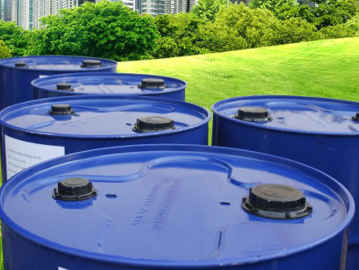
Có một số quan niệm sai lầm phổ biến về chất đóng rắn amin được sử dụng trong các ngành công nghiệp khác nhau, bao gồm sơn và chất phủ, chất kết dính và vật liệu tổng hợp. Những quan niệm sai lầm này thường xuất phát từ sự thiếu hiểu biết hoặc thông tin sai lệch về cách thức hoạt động của các chất đóng rắn bằng amin. Trong bài viết này, chúng tôi sẽ làm sáng tỏ một số lầm tưởng phổ biến nhất xung quanh các chất đóng rắn bằng amin.
Chuyện lầm tưởng 1: Chất đóng rắn bằng amin độc hại và có hại cho sức khỏe.
Đây là một trong những lầm tưởng phổ biến nhất về các chất đóng rắn bằng amin. Mặc dù đúng là một số chất đóng rắn bằng amin có thể độc hại ở dạng nguyên chất, nhưng một khi chúng được điều chế thành sản phẩm đúng cách thì chúng thường an toàn khi sử dụng. Hầu hết các nhà sản xuất đều quan tâm đến việc đảm bảo rằng sản phẩm của họ đáp ứng các tiêu chuẩn và quy định an toàn do các tổ chức như OSHA và EPA đặt ra. Điều quan trọng là phải tuân theo các quy trình xử lý thích hợp và các biện pháp phòng ngừa an toàn khi làm việc với các chất đóng rắn bằng amin để giảm thiểu mọi rủi ro sức khỏe tiềm ẩn.
Lầm tưởng 2: Chất đóng rắn bằng amin dẫn đến độ bám dính và hiệu suất phủ kém.
Trái ngược với suy nghĩ thông thường, chất đóng rắn bằng amin thực sự giúp cải thiện độ bám dính và hiệu suất của lớp phủ. Các chất đóng rắn bằng amin đóng một vai trò quan trọng trong quá trình đóng rắn, trong đó chúng phản ứng với nhựa để tạo thành một mạng lưới bền và chắc. Mạng lưới này cung cấp độ bám dính tuyệt vời cho bề mặt và nâng cao hiệu suất tổng thể của lớp phủ, chẳng hạn như khả năng chống mài mòn, kháng hóa chất và tính linh hoạt. Công thức và điều kiện bảo dưỡng thích hợp là chìa khóa để đạt được hiệu suất bám dính và lớp phủ tối ưu với các chất đóng rắn amin.
Chuyện lầm tưởng 3: Các chất đóng rắn bằng amin rất khó sử dụng và cần có thiết bị chuyên dụng.
Mặc dù đúng là các chất đóng rắn bằng amin có những yêu cầu xử lý và đóng rắn cụ thể nhưng về bản chất chúng không khó để sử dụng. Hầu hết các nhà sản xuất đều đưa ra những hướng dẫn và hỗ trợ kỹ thuật để giúp khách hàng sử dụng sản phẩm của mình đúng cách. Điều quan trọng là phải tuân theo tỷ lệ trộn, nhiệt độ xử lý và thời gian xử lý được khuyến nghị để đảm bảo kết quả tốt nhất. Một số thiết bị chuyên dụng có thể được yêu cầu cho một số ứng dụng nhất định, nhưng nói chung, chất đóng rắn amin có thể được sử dụng với thiết bị trộn và đóng rắn tiêu chuẩn thường thấy trong các cơ sở sản xuất.
Chuyện lầm tưởng 4: Chất đóng rắn bằng amin có khả năng tương thích hạn chế với các vật liệu khác.
Một quan niệm sai lầm phổ biến là chất đóng rắn amin không tương thích với một số loại nhựa hoặc chất phụ gia nhất định, dẫn đến những thách thức trong công thức. Mặc dù đúng là một số chất đóng rắn bằng amin có thể có những hạn chế về khả năng tương thích, nhưng có rất nhiều lựa chọn có sẵn có thể được điều chỉnh cho phù hợp với các ứng dụng cụ thể. Các nhà sản xuất thường cung cấp các hướng dẫn về khả năng tương thích và dịch vụ thử nghiệm để giúp khách hàng lựa chọn chất đóng rắn phù hợp nhất cho công thức của mình. Bằng cách tiến hành các thử nghiệm về khả năng tương thích và tuân theo các hướng dẫn về công thức thích hợp, có thể đạt được kết quả thành công với các chất đóng rắn bằng amin.
Tóm lại, điều quan trọng là phải xóa bỏ những lầm tưởng phổ biến xung quanh các chất đóng rắn bằng amin và ghi nhận những đóng góp có giá trị của chúng cho các ngành công nghiệp khác nhau. Bằng cách hiểu rõ sự thật và vạch trần những quan niệm sai lầm, nhà sản xuất và người dùng có thể đưa ra quyết định sáng suốt khi lựa chọn và sử dụng chất đóng rắn amin trong sản phẩm của mình. Xử lý, xây dựng và thử nghiệm đúng cách là điều cần thiết để tối đa hóa lợi ích của các chất đóng rắn amin và đảm bảo kết quả thành công trong các ứng dụng khác nhau.

 English
 Español
 Portugues
 Pусский
 Français
 Deutsch
 日本語
日本語 한국어
한국어 العربية
 Italiano
 Nederlands
 Ελληνικά
 Polski
 ไทย
ไทย українська
 中文简体
中文简体





 Điện thoại
Bình luận
(0)